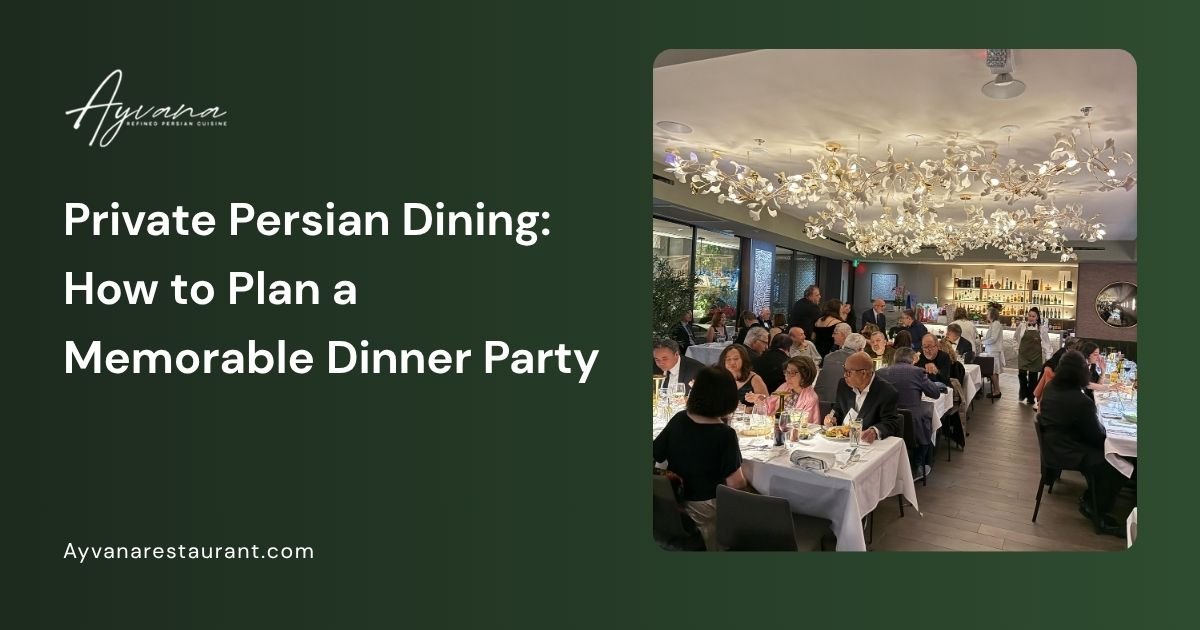
A private dinner party is about more than sharing a meal. It is about bringing people together in a comfortable, memorable setting. Persian restaurants are especially well suited for private gatherings because Persian dining traditions center around hospitality, shared platters, and conversation-focused meals.
From flavorful appetizers and grilled kebabs to saffron rice, traditional desserts, and tea service, Persian cuisine is designed to be enjoyed together. Whether you’re planning a birthday dinner, family celebration, corporate gathering, or special occasion in Tarzana, family-style dining helps create a warm atmosphere where guests can relax, connect, and enjoy a variety of dishes.
The combination of authentic hospitality, abundant menus, and a naturally social dining style makes Persian restaurants a popular choice for celebrations of all sizes.
Here is the Quick Answer:
Planning a private dinner party at a Persian restaurant involves choosing the right guest count, menu, and atmosphere. Family-style dining, shared platters, and traditional hospitality make Persian cuisine a natural fit for birthdays, anniversaries, corporate dinners, and family celebrations. With thoughtful planning and a balanced menu, hosts can create a memorable dining experience centered on connection and shared enjoyment.
Why Persian Restaurants Are Ideal for Private Dinner Parties
Persian restaurants are well suited for private dinner parties because the dining experience naturally centers on gathering, sharing, and hospitality. Instead of building the meal around separate entrées, Persian dining often brings several dishes to the table at once, allowing guests to take part in the same shared experience.
This structure works especially well for celebrations and group gatherings. Large platters, saffron rice, appetizers, stews, and sides give guests variety without requiring every person to make a separate ordering decision. That makes the meal easier to coordinate while still giving the table enough flexibility for different tastes and dietary preferences.
The pacing also supports private dining. Persian meals are often enjoyed gradually, with appetizers, main dishes, desserts, and tea creating a natural flow for conversation. Guests can sample different dishes, pass plates, and continue interacting throughout the evening rather than feeling limited to a single individual order.
Together, family-style service, generous portions, balanced presentation, and hospitality-focused dining help create a private dinner party that feels both special and comfortable for guests.
Choosing the Right Persian Restaurant for a Private Event
The right restaurant can make a big difference in the overall dining experience. Beyond the menu, factors such as seating, atmosphere, and guest comfort can influence how successful and enjoyable the event feels.
Here are some important factors to consider when choosing a Persian restaurant for a private dinner party.
Look for Private Dining Spaces
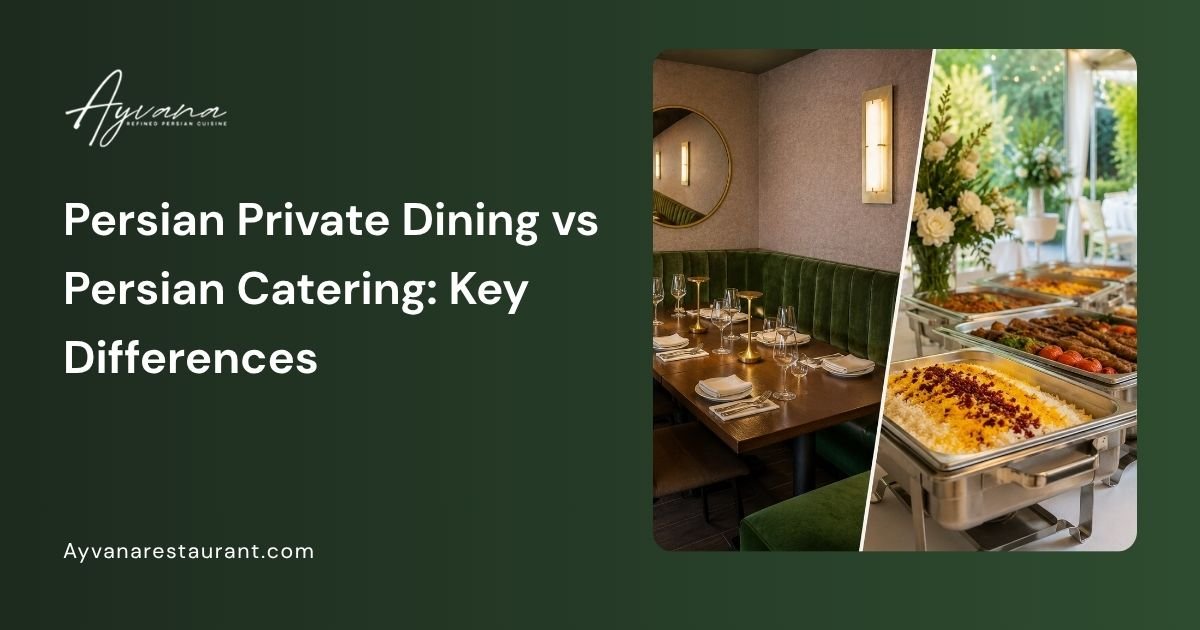
The right dining space should match both the size and style of your gathering. Some occasions benefit from a fully private room, while others feel more comfortable in a semi-private area that offers a balance between privacy and the energy of the restaurant.
Outdoor patios can provide a more open setting for celebrations, and banquet-style seating often works well for larger groups by keeping guests connected around the table.
It is also worth considering the overall noise level of the space. A private dinner party should allow guests to comfortably converse without competing with excessive background noise, helping create a more engaging and enjoyable atmosphere.
Evaluate Menu Flexibility
Private dinner parties often include guests with different tastes and dietary preferences. Restaurants that offer family-style service, customized group menus, or prix fixe options can make planning much easier.
Menu flexibility also helps ensure vegetarian, vegan, and other dietary needs can be accommodated without limiting variety for the rest of the group.
Consider Ambiance and Guest Experience
The atmosphere of a restaurant helps set the tone for the event. Comfortable lighting, welcoming décor, and conversation-friendly music can make a gathering feel more relaxed and memorable.
Practical details such as accessibility, parking, and attentive service are equally important. Together, these elements help create a private dining experience that feels smooth, comfortable, and enjoyable for every guest.
How to Build the Perfect Persian Dinner Menu for a Party
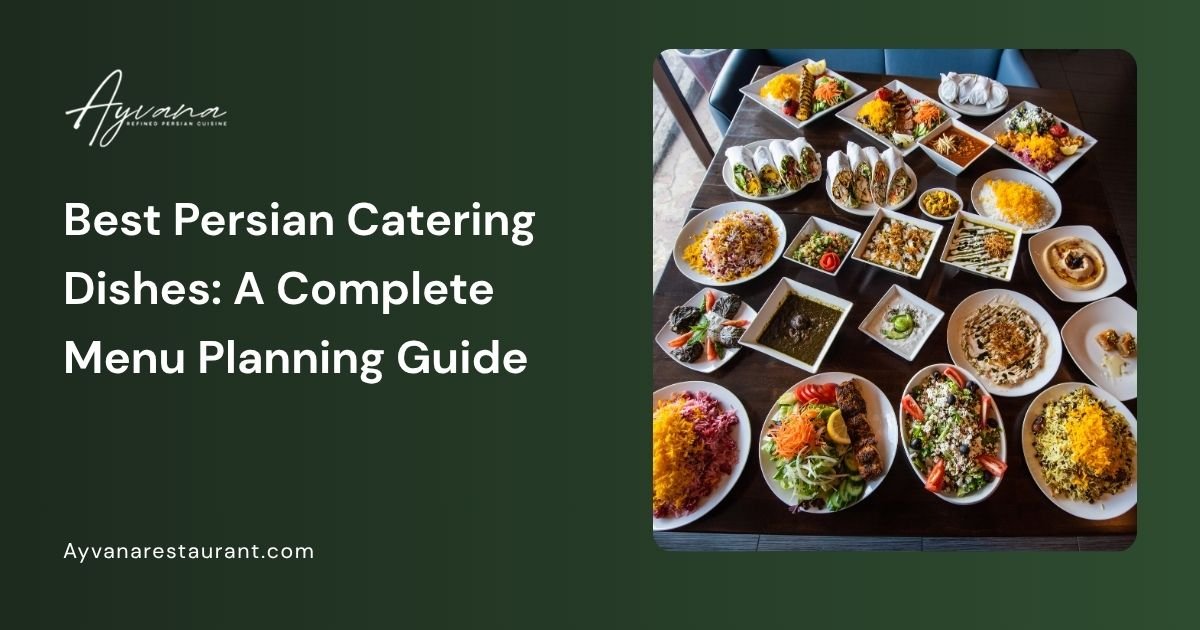
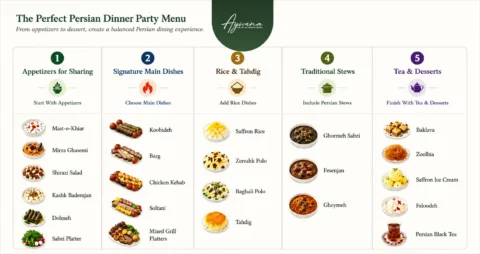
A Persian dinner menu is designed around variety, balance, and shared enjoyment. From appetizers and kebabs to rice dishes, stews, and desserts, each course contributes to a memorable group dining experience. When planning your menu, consider including a mix of the following dishes.
Start With Persian Appetizers for Sharing
Appetizers help set the tone for the evening by giving guests something to enjoy as they settle in and socialize. Shared starters also encourage conversation and create a relaxed atmosphere before the main courses arrive.
Popular Persian appetizers for a dinner party include:
- Mast-o-Khiar – a refreshing yogurt dip made with cucumbers and dried mint.
- Mirza Ghasemi – a smoky eggplant and tomato dish that works well as a warm, shareable starter.
- Shirazi Salad – a light salad made with diced cucumbers, tomatoes, onions, and citrus dressing.
- Kashk Bademjan – baked eggplant topped with kashk, mint, and sautéed onions.
- Dolmeh – grape leaves stuffed with a seasoned rice filling.
- Sabzi Platter – an assortment of fresh herbs, vegetables, walnuts, and cheese traditionally served before the meal.
Offering several appetizers allows guests to sample different flavors while creating a welcoming and communal dining experience.
Choose Signature Persian Main Dishes
The main course is often the centerpiece of a Persian dinner party. Providing a variety of grilled dishes helps accommodate different preferences and keeps the menu appealing to a diverse group of guests.
Some of the most popular options include:
- Koobideh – seasoned ground beef kebab grilled over an open flame.
- Barg – tender marinated filet mignon kebab known for their delicate texture.
- Chicken Kebab – saffron-marinated chicken grilled until juicy and flavorful.
- Soltani – a combination of Barg and Koobideh served on one platter.
- Mixed Grill Platters – a selection of multiple kebab varieties designed for sharing.
A combination of these dishes allows guests to enjoy multiple flavors without limiting the meal to a single protein choice.
Include Persian Rice Dishes and Tahdig
Rice is one of the most important elements of Persian cuisine and often serves as the foundation of the meal. Pairing different rice dishes with grilled meats and stews adds variety and visual appeal to the table.
Popular choices include:
- Saffron Rice – fluffy Persian rice infused with aromatic saffron.
- Zereshk Polo – saffron rice topped with sweet-tart barberries.
- Baghali Polo – rice cooked with dill and tender fava beans.
- Tahdig – the crispy golden layer of rice formed at the bottom of the pot.
Tahdig is often one of the most anticipated dishes at a Persian gathering because it is designed to be shared and enjoyed by the entire table.
Add Traditional Persian Stews for Depth and Variety
Traditional Persian stews add another layer of flavor and help guests experience a broader range of Persian cuisine. Slow-cooked dishes are deeply connected to Persian hospitality and are often associated with family gatherings and special occasions.
Popular options include:
- Ghormeh Sabzi – a herb-based stew made with beans, dried lime, and tender meat.
- Fesenjan – a rich stew featuring walnuts and pomegranate sauce.
- Gheymeh – a tomato-based stew made with split peas, meat, and warming spices.
Including one or two stews alongside grilled dishes creates a more balanced and diverse menu.
Finish With Persian Tea and Desserts
Dessert and tea service provide a relaxed conclusion to the evening. Persian Black Tea is traditionally served after meals and encourages guests to linger, continue conversations, and enjoy the final moments of the gathering.
A classic dessert selection may include:
- Baklava – layers of flaky pastry filled with nuts and sweet syrup.
- Zoolbia – crisp fritters soaked in fragrant syrup.
- Saffron Ice Cream – a traditional ice cream flavored with saffron and rose water.
- Faloodeh – a frozen dessert made with thin noodles, rose water, and ice.
Serving tea alongside dessert extends the dining experience and reflects the hospitality traditions that make Persian dinner parties feel warm, welcoming, and memorable.
How many guests should you plan for?
Your guest count influences nearly every part of a private dinner party, including seating, menu planning, service flow, and reservation timing. Because Persian meals are often served family-style, the number of guests also helps determine how many shared platters, rice dishes, appetizers, and stews will give the table enough variety without making the meal feel excessive.
Small Private Dinners (6–12 Guests)
Smaller dinners work well for intimate birthdays, anniversaries, close family gatherings, and celebrations with a few friends. This group size creates a more personal atmosphere where everyone can participate in conversation comfortably. It also allows the host to keep the menu focused while still including a few shared appetizers, main dishes, rice, and dessert.
Medium Gatherings (12–25 Guests)
Medium-sized gatherings are often ideal for birthday celebrations, graduation dinners, anniversary parties, and family milestones. They feel festive without becoming difficult to coordinate. Family-style Persian dining works especially well at this size because shared platters allow guests to try different dishes while keeping the table connected throughout the meal.
Large Celebrations (25+ Guests)
Larger celebrations are often planned for corporate dinners, engagement gatherings, rehearsal dinners, and extended family events. These groups usually benefit from earlier planning, more structured seating, and a menu that balances variety with service efficiency. Banquet-style seating or a dedicated dining area may help the gathering feel more organized while still preserving the warmth of a shared Persian meal.
Why Accurate Headcounts Matter
A clear guest count helps the restaurant recommend the right dining space, prepare suitable portions, coordinate service timing, and account for dietary preferences. As a general rule, the larger the group, the earlier you should reserve so there is more flexibility for seating arrangements, menu planning, and service coordination.
How much food should you order for a Persian dinner party?
Persian dinner parties are typically served family-style, with multiple dishes shared across the table. This allows guests to enjoy more variety while creating a more social dining experience.
A well-balanced menu often includes:
- shareable appetizers
- grilled kebabs or mixed grill platters
- rice dishes and tahdig
- optional traditional stews
- dessert and tea service
For smaller groups, a few shared appetizers, one or two rice dishes, and a selection of grilled entrées are often enough to provide variety without overwhelming the table. As guest counts increase, adding additional appetizers, mixed grill platters, and one or two traditional stews can help create a more complete dining experience.
Because Persian meals are designed for sharing, it is usually better to offer a wider variety of dishes rather than increasing the quantity of only one or two items. This allows guests to sample different flavors and helps accommodate different preferences across the group.
When in doubt, consult the restaurant before finalizing the order. Restaurants experienced with family-style Persian dining can often recommend menu combinations based on group size, event type, and dietary considerations.
How to Create an Authentic Persian Dinner Party Atmosphere
An authentic Persian dinner party is about more than the food. The right atmosphere helps guests feel comfortable, welcomed, and engaged throughout the evening.
Music and Entertainment
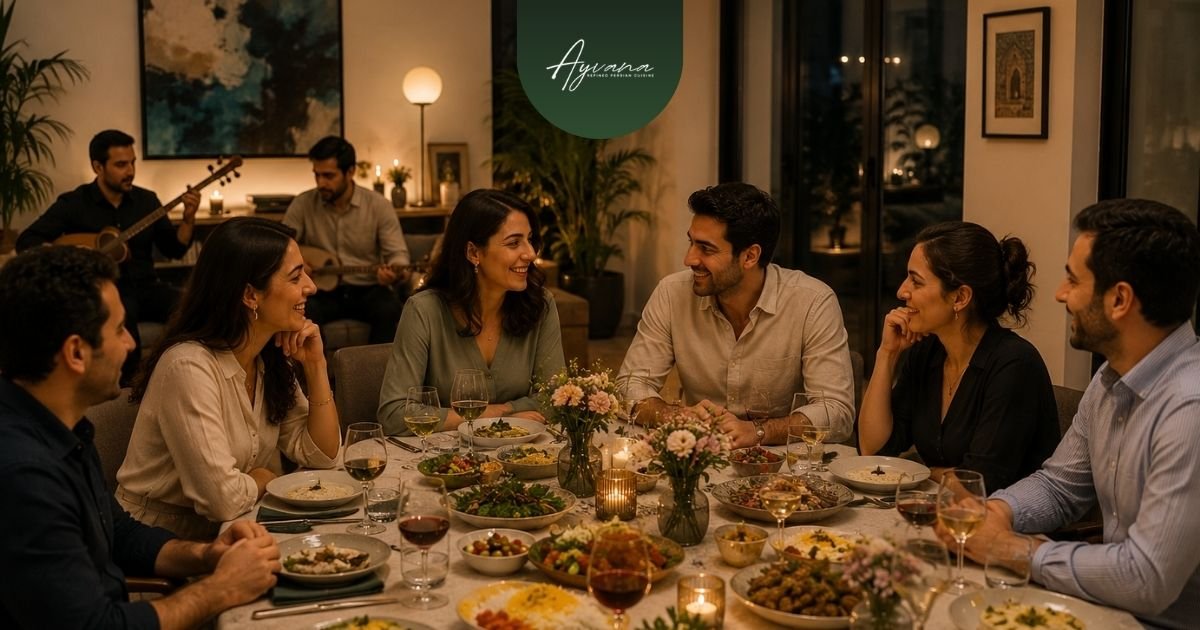
Music can help set the tone without becoming the center of attention. Traditional Persian music adds cultural character to the gathering, while contemporary Persian music can create a more modern atmosphere.
For larger celebrations, some hosts may opt for live entertainment; however, it is essential to maintain a volume level that allows guests to converse comfortably throughout the meal.
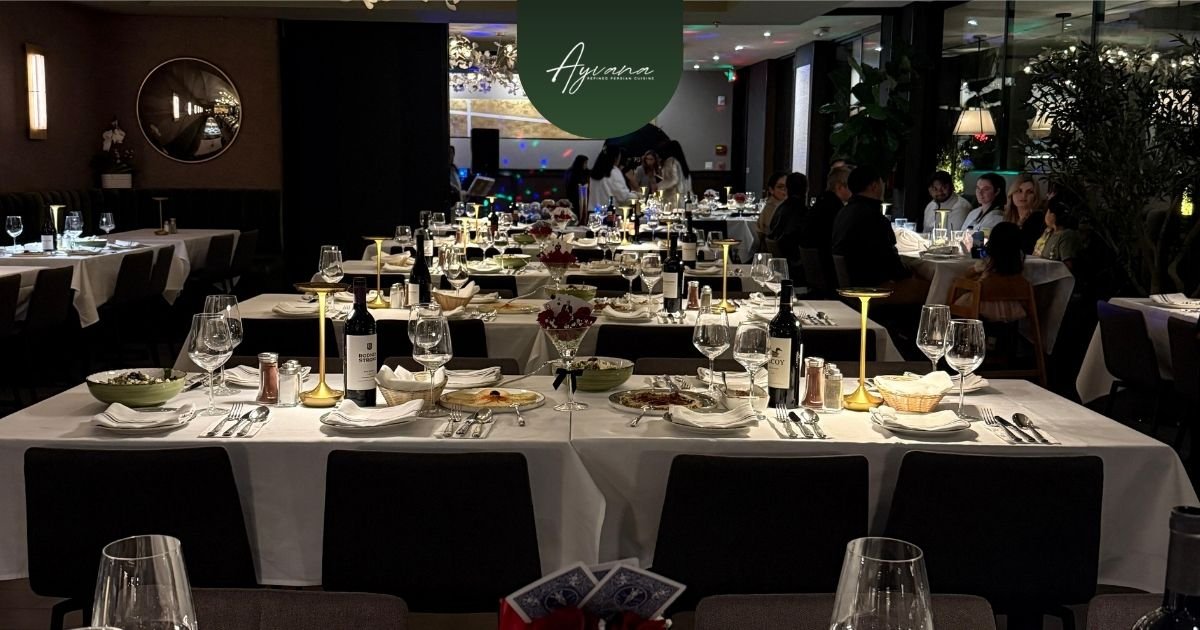
Table Presentation and Décor
Thoughtful table presentation helps make the event feel special. Elegant place settings, fresh floral arrangements, and candlelight can create a warm and inviting atmosphere.
Traditional serving pieces and shared platters also enhance the dining experience while highlighting the communal nature of Persian meals.
Family-Style Service vs Plated Dining
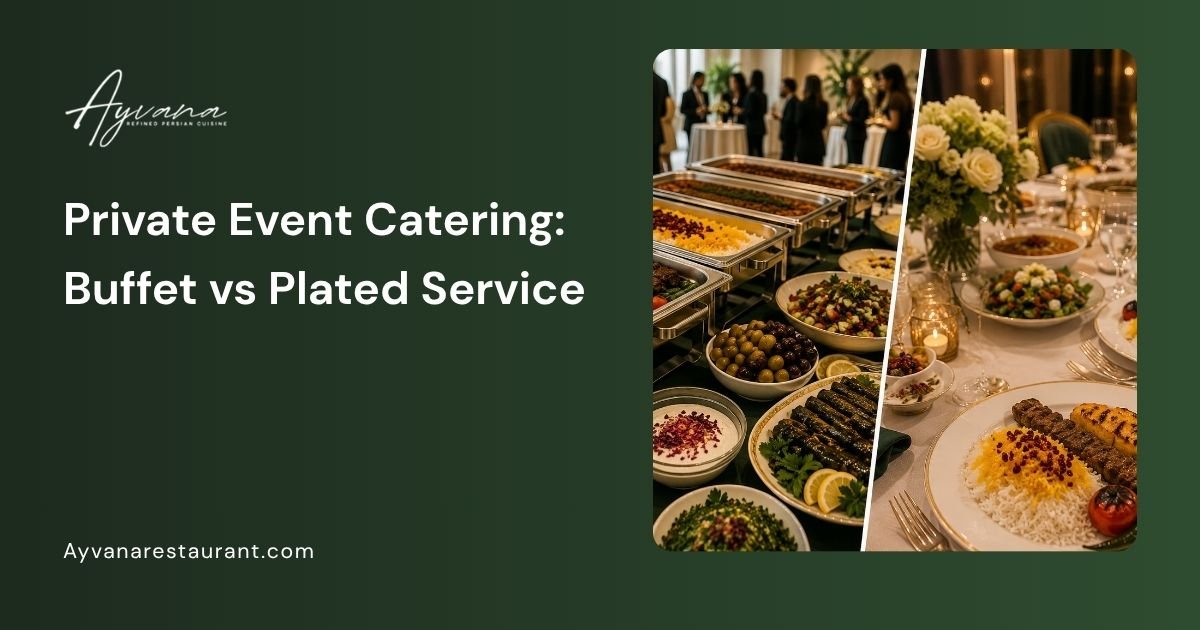
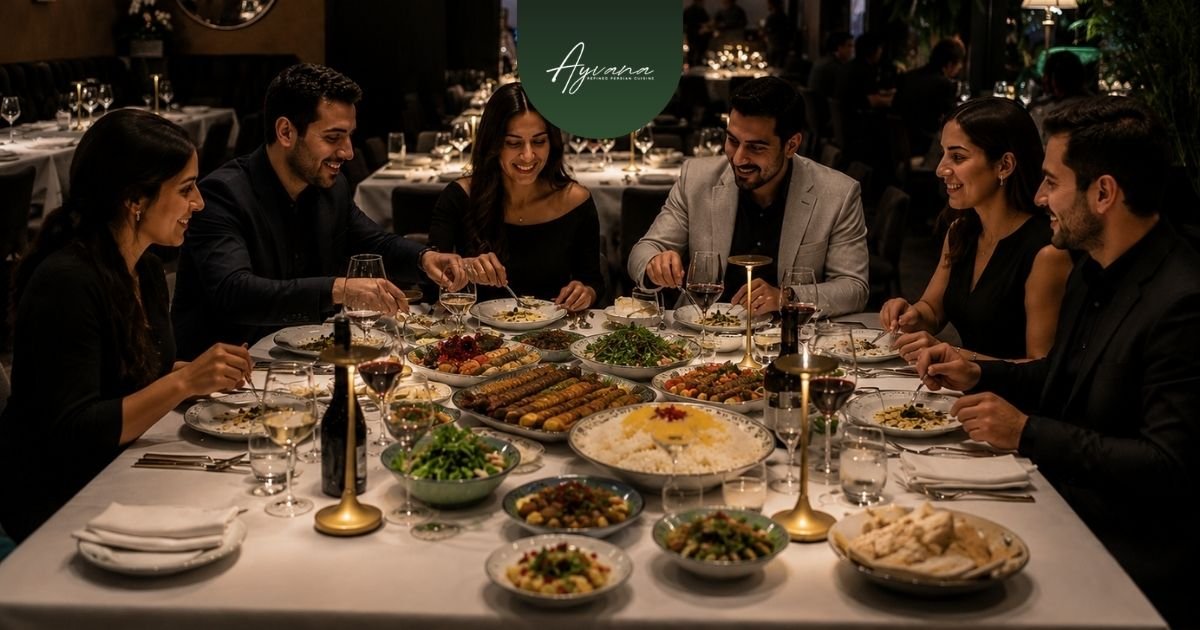
Family-style service is often preferred for Persian dinner parties because it encourages sharing and conversation. Guests can sample a variety of dishes while interacting more naturally, making it an especially effective dining format for larger groups and celebrations.
Best Occasions for a Private Persian Dinner Party
Persian private dining works well for a wide range of occasions, from birthday celebrations and anniversaries to graduation parties, engagement dinners, rehearsal dinners, and family reunions. The shared nature of the meal encourages guests to interact naturally while giving everyone access to a variety of dishes throughout the evening.
Corporate dinners and team events can also benefit from Persian family-style dining because the format encourages conversation and participation without the formality that can come with individually plated meals. Whether the gathering is intimate or large, Persian hospitality helps create an atmosphere centered on connection, celebration, and shared experience.
Tips for Hosting Guests Who Are New to Persian Cuisine
Introducing guests to Persian cuisine can be one of the most enjoyable parts of hosting a private dinner party. A thoughtful menu and family-style service can help first-time diners feel comfortable while encouraging them to experience a variety of traditional dishes.
Some helpful approaches include:
- Start with familiar flavors. Grilled kebab, saffron rice, and fresh salads are approachable dishes that appeal to many guests while still showcasing Persian cuisine.
- Introduce signature specialties. Dishes such as Tahdig, fragrant saffron-infused rice, and fresh herb platters offer a glimpse into the unique flavors and traditions of Persian dining.
- Address common misconceptions. Many people assume Persian food is spicy, but most dishes focus on herbs, saffron, citrus, and slow-cooked ingredients that create balanced and layered flavors.
- Encourage sharing and exploration. Family-style dining allows guests to sample multiple dishes in small portions, making it easier to try something new without committing to a full entrée.
The combination of variety, hospitality, and shared dining often makes Persian cuisine approachable even for guests experiencing it for the first time.
Family-Style Dining vs Individual Ordering for Dinner Parties
When planning a private dinner party, one of the most important decisions is choosing between family-style service and individual ordering. Persian dining traditions are naturally suited to family-style meals, where dishes are shared among the table rather than ordered separately by each guest.
This approach often simplifies planning, encourages conversation, and allows guests to experience a wider variety of flavors throughout the meal.
| Family-Style Persian Dining | Individual Ordering |
| Shared Platters for the Entire Table | Separate Meals for Each Guest |
| Greater Variety of Dishes to Sample | Limited to One or Two Selected Dishes |
| Encourages Conversation and Guest Interaction | Less Communal Dining Experience |
| Easier Coordination for Large Groups | More Complex Ordering Process |
| Simplifies Menu Planning | Requires Individual Meal Decisions |
| Supports a Relaxed Dining Pace | Meals May Arrive and Finish at Different Times |
| Makes It Easier to Accommodate Different Tastes | Less Flexibility for Sharing and Exploration |
| Reflects Traditional Persian Dining Customs | Less Connected to Persian Hospitality Traditions |
For most private dinner parties, family-style dining offers practical advantages beyond tradition. It reduces ordering complexity, allows guests to experience a wider range of Persian dishes, and helps keep the table engaged throughout the meal. Individual ordering may work for smaller groups, but family-style service is often better suited to celebrations where interaction and shared experiences are part of the goal.
How Persian Hospitality Enhances Private Gatherings
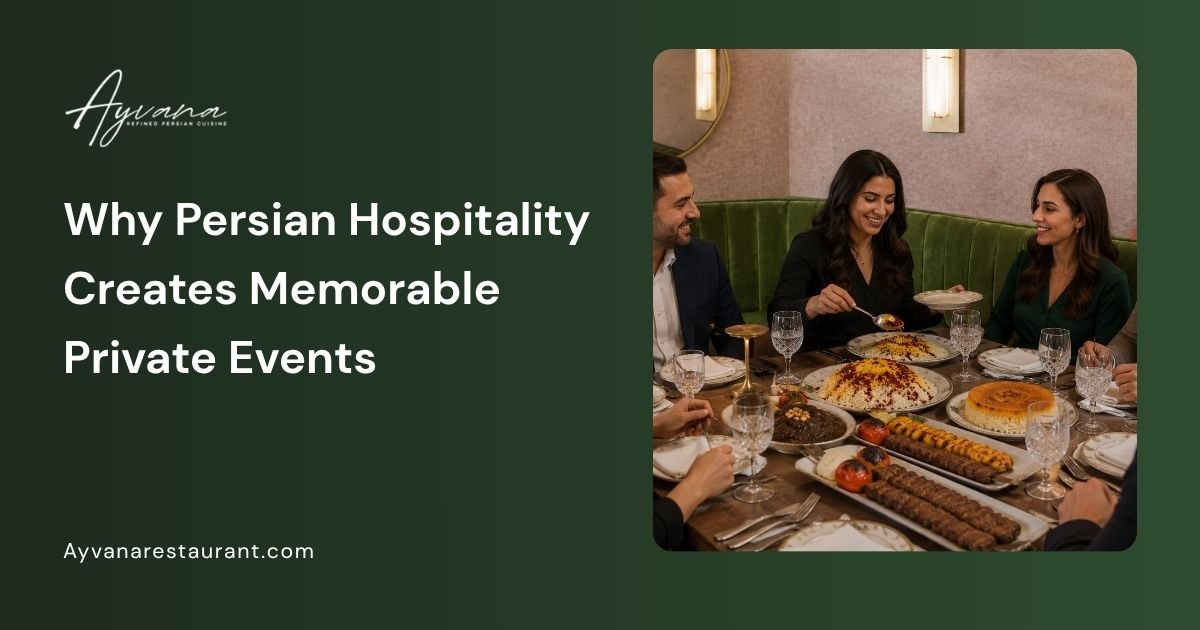
Persian hospitality is centered around making guests feel welcomed, comfortable, and valued. This tradition shapes the entire dining experience and helps make Persian restaurants a natural fit for private gatherings and celebrations.
A key part of Persian dining is generosity and abundance. Meals are often served family-style with a variety of dishes designed for sharing, creating a warm and social atmosphere around the table. Attentive service and comfortable pacing also help guests relax and enjoy the experience together.
Persian celebrations are often rooted in multi-generational dining traditions where gathering, hosting, and sharing meals play an important role in bringing people together. These customs help create private dinner parties that feel both memorable and inviting.
Common Mistakes to Avoid When Planning a Private Dinner Party
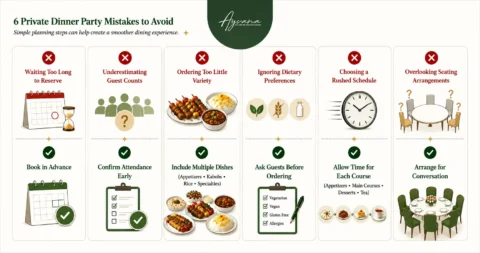
A little planning can go a long way toward creating a smooth and enjoyable dining experience. Avoiding a few common mistakes can help ensure guests feel comfortable and the event runs as intended. Below are some common dinner party planning mistakes and simple ways to avoid them.
Waiting Too Long to Make Reservations
One of the most common planning mistakes is delaying the reservation process. Private dining spaces, larger tables, and preferred dining times may have limited availability, particularly during weekends, holidays, and busy celebration seasons.
Booking in advance gives you more flexibility when choosing the date, seating arrangements, and menu options for your event.
Underestimating Guest Counts
An inaccurate headcount can create challenges with seating, portions, and service. Confirming attendance ahead of time helps ensure the restaurant can properly prepare for your group.
Ordering Too Little Variety
Persian dining is known for offering a variety of flavors, textures, and dishes. Limiting the menu too much can reduce the interactive nature of the meal and leave some guests with fewer options. Including a combination of appetizers, kebabs, rice dishes, and other specialties allows guests to sample different foods and enjoy a more complete dining experience.
Ignoring Dietary Preferences
Not every guest will have the same dietary needs or food preferences. Taking a few minutes to ask about vegetarian diets, allergies, or other restrictions before finalizing the menu can help ensure everyone feels included and comfortable during the meal.
Choosing a Rushed Dining Schedule
A private dinner party is often as much about spending time together as it is about the food. Scheduling the event too tightly can make guests feel rushed and limit opportunities for conversation.
Allowing enough time for appetizers, main courses, desserts, and tea service helps create a more relaxed and enjoyable atmosphere.
Overlooking Seating Arrangements
Thoughtful seating can make a significant difference in guest interaction. Arranging tables in a way that supports conversation and easy access to shared dishes helps create a more engaging family-style dining experience.
Persian Dinner Party Etiquette and Traditions
Persian dinner parties are shaped by traditions that emphasize hospitality, generosity, and respect for guests. While every gathering is different, the overall experience is usually built around making guests feel welcomed, comfortable, and included.
Tea service is one of the most recognizable parts of Persian hospitality. Persian black tea is often served toward the end of the meal, giving guests a reason to slow down, continue conversations, and enjoy the gathering beyond the main courses.
Sharing is also central to the experience. Dishes are often placed at the center of the table so guests can sample different flavors and participate in the meal together. This family-style approach reflects the broader Persian dining tradition of abundance and connection.
The meal usually follows a natural flow, beginning with appetizers, fresh herbs, salads, and lighter dishes before moving into kebabs, rice dishes, stews, and other specialties. Desserts and tea often close the meal, creating a relaxed ending rooted in conversation and hospitality.
Together, these traditions help create a dining experience centered on generosity, comfort, and meaningful social interaction.
Where to Host a Private Persian Dinner Party in Tarzana
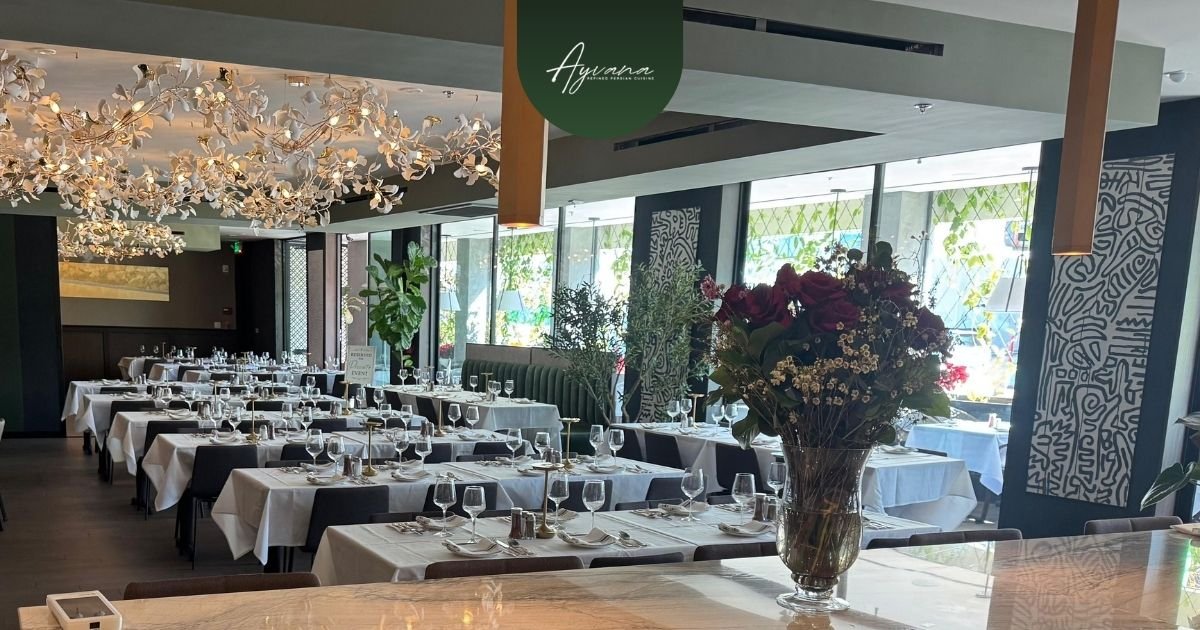
For those planning a private dinner party in Tarzana, selecting a restaurant that combines authentic cuisine, welcoming hospitality, and event-friendly accommodations can help create a more memorable gathering.
Ayvana Persian Restaurant was founded with the vision of elevating Persian cuisine through a refined, modern dining experience rooted in authenticity, elegance, and heartfelt hospitality.
The restaurant blends traditional Persian flavors with contemporary presentation while creating a warm atmosphere for meaningful celebrations.
Private gatherings can be complemented by family-style dining, catering services, and private dining accommodations for groups, with arrangements depending on guest count and event details.
By combining authentic Persian cuisine, attentive service, elegant surroundings, and flexible event accommodations, Ayvana provides a comfortable setting for birthdays, anniversaries, corporate dinners, family gatherings, and other special occasions in Tarzana.
For more information about group dining or to reserve your event, visit our Reservations Page or contact our team.
Conclusion
Planning a private dinner party involves more than choosing a menu. The right atmosphere, thoughtful planning, and shared dining experience all contribute to a memorable gathering.
Persian dining traditions naturally support celebrations through family-style service, diverse menus, and a strong focus on hospitality. Together, these elements help create an experience centered on conversation, connection, and enjoying time with others.
If you’re planning a private gathering in Tarzana, Ayvana offers authentic Persian cuisine, private dining accommodations, and a welcoming setting for special occasions. Contact our team to learn more.